Digital Crew Management Solutions for the Modern Shipping Industry
The shipping industry is rapidly embracing digital transformations, and at the forefront of this change is the evolution of crew management software. As this digital wave sweeps the industry, we observe a surge in the sophistication and capabilities of these software solutions.
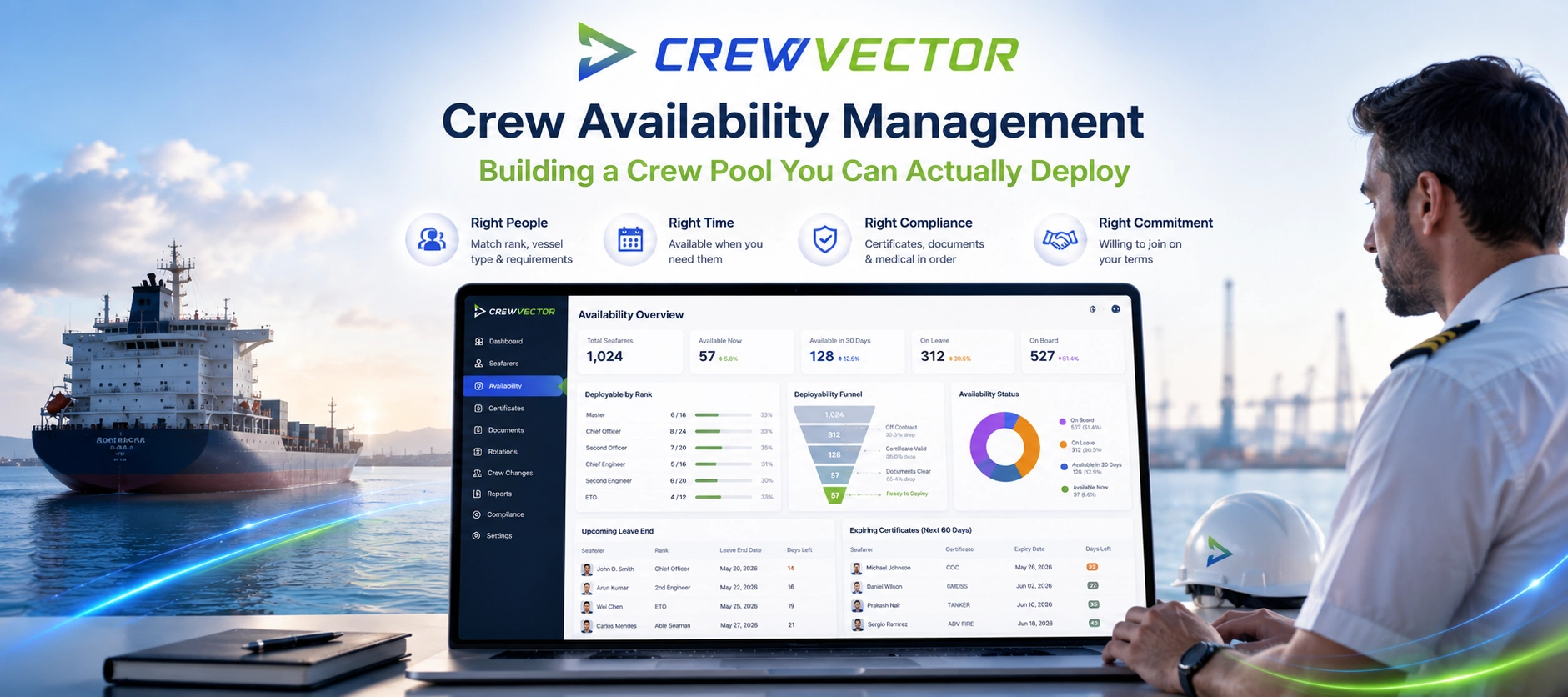
Central to every effective crew management software is a robust database housing comprehensive records of all crew members. This has become a pivotal aspect of the IT infrastructure for shipowners and managers. Utilizing advanced software, they can meticulously curate the ideal crews for their fleets, manage them with finesse, and continuously monitor performance metrics.
Key Features of Advanced Crewing Software:
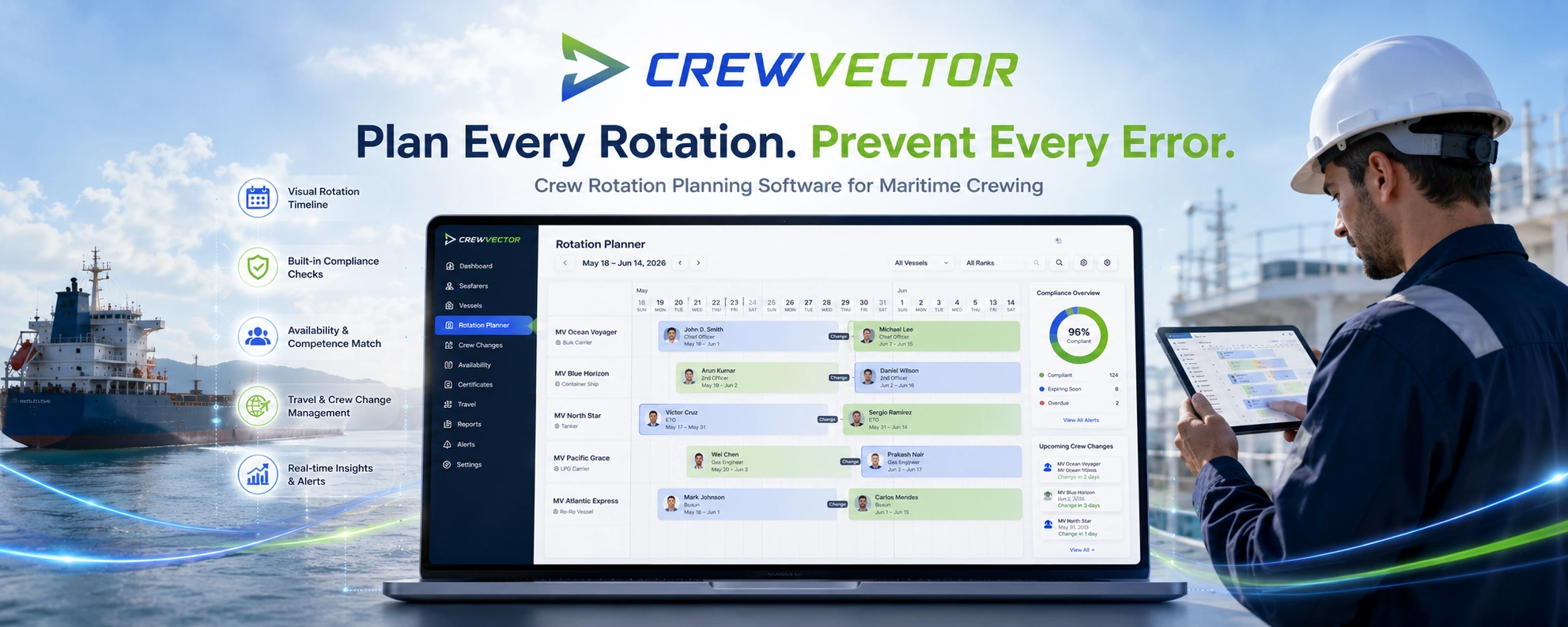
- Crew Scheduling: Seamlessly plan crew schedules and facilitate timely changes.
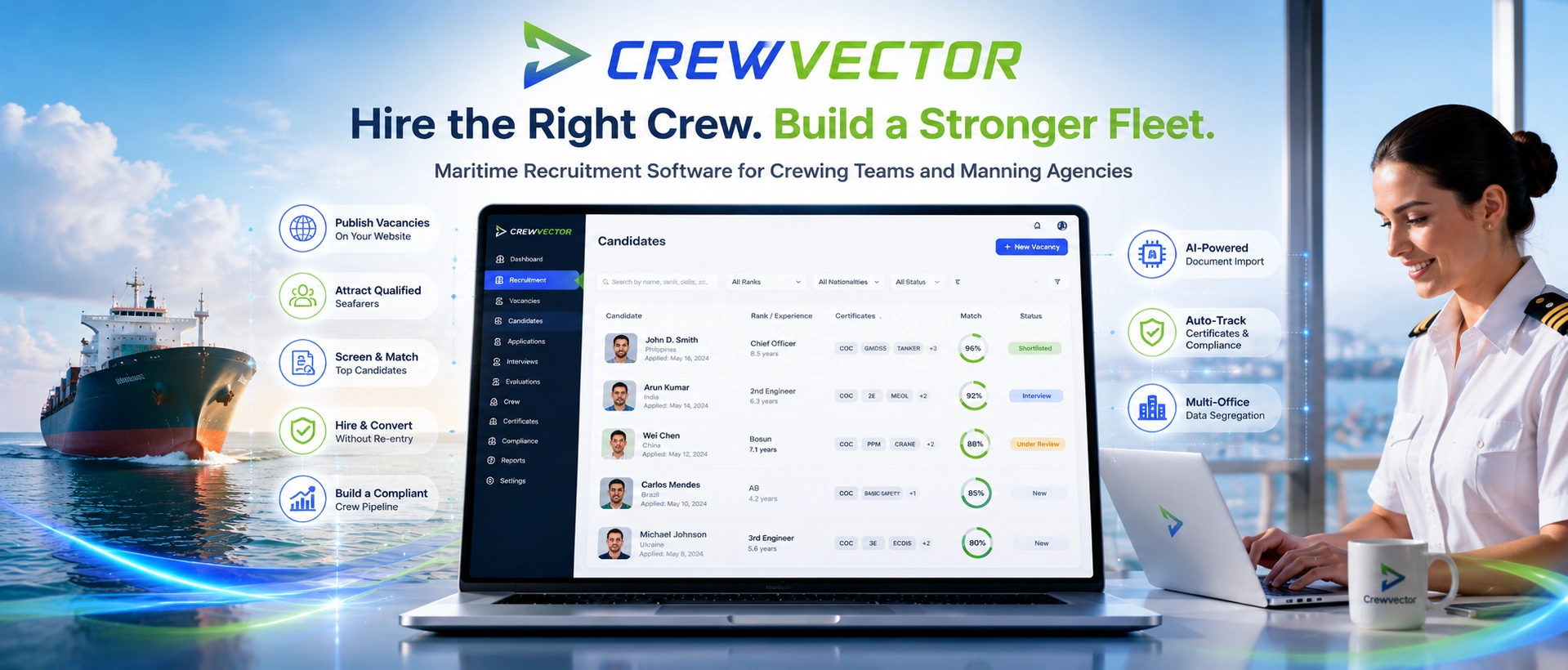
- Crew Selection: Efficiently find qualified crew members that fit the vessel's needs.
- Agency Collaboration: Liaise effortlessly with manning agencies for smooth operations.
- Document Management: Stay updated with crew certificates, qualifications, and licenses.
- Financial Management: Implement a cohesive fleet-wide payroll system, manage master’s cash, and oversee cash advances.
- Performance Analysis: Execute crew appraisals and generate insightful reports using statistics and key performance indicators (KPIs).
The digitalization wave in the shipping world is not only refining the capabilities of crew management software but also expanding their accessibility. An emerging trend is the shift towards cloud-based crew management solutions. Suppliers are now leaning more towards offering these cloud platforms, with a notable portion of users transitioning to cloud systems.
Why Choose Cloud-Based Crew Management Solutions?
- Security and Backup: Experience peace of mind knowing your data is secure with reliable backup mechanisms.
- Cost-Efficiency: Reduce significant capital and operational expenses linked to IT infrastructure.
- Scalability: Easily scale your crewing management functions as your business demands grow.
While the merits of digitalization are immense, the essence of crew management lies in human interactions. Digital tools cannot replace vital discussions between shore teams and seafarers, especially during unforeseen challenges. However, the automation offered by these tools ensures managers operate at peak efficiency, empowering them with resources that bolster top-tier decision-making.